LinkedIn is no longer a purely job-hunting space. How is it evolving to make space for Gen Zs, who are taking a more innovative road to career building?
LinkedIn is recognized for its clean and no-nonsense aesthetic. A space delegated solely for business chit-chat and professional networking, there has been little room for the kind of freelance socializing that platforms like Instagram and Facebook allow.
But this is what LinkedIn was before.
Of course, LinkedIn, its make remains the same, but its use cases are evolving.
Previously, LinkedIn was limited to job updates and networking. But now, more aspects have been added to the once-empty cauldron.
In line with this, LinkedIn is changing some of its functionalities. And opting into some of the elements Gen Z has made popular- like short-form videos.
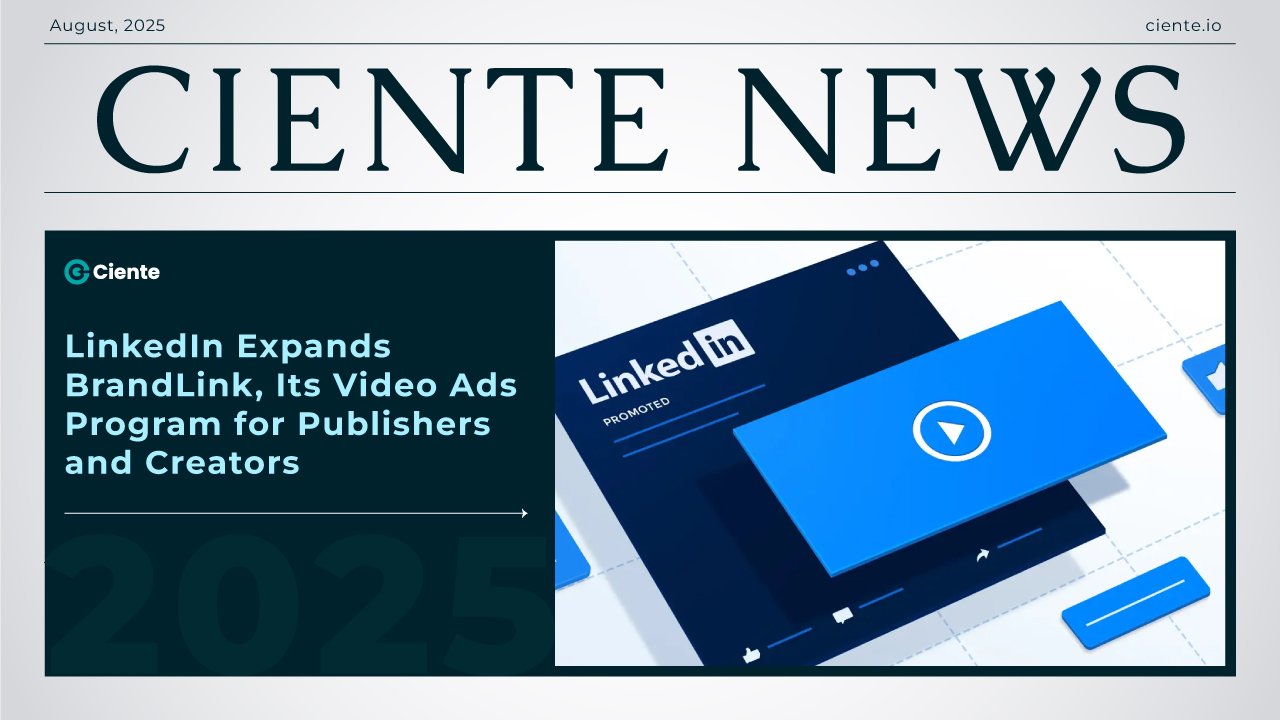
LinkedIn has widened its video ads program, BrandLink, adding more publishers and creator-made content. Especially to engage more and more marketers. This program lets both publishers and creators run short pre-roll ads before the content and split the revenue between them.
It first started as a Wire Program only for publishers. But it rebranded in May to include creators. Since then, the program has signed up over 70 creators and publishers.
Advertisers are incredibly interested in connecting with people who make decisions, particularly in the business-to-business marketplaces, says LinkedIn’s VP of Marketing Solutions.
And at the nexus of this is short-form video. Publishers and creators will share short clips during campaigns that last 4 to 6 months. For now, the program is invite-only.
The BrandLink initiative has already proved effective.
Its revenue rose almost 200% in the 2nd quarter, whereas the payouts to creators and publishers have tripled within the year. Even subscriptions and ad spend have drastically elevated across some industries. While video ads themselves are gaining ground, increasing by 36% compared to last year.
LinkedIn’s aim here is simple-
Deliver value to members, advertisers, publishers, and creators.
It’s LinkedIn’s direct attempt at targeting young professionals and how they navigate the conventional work culture. One where growth is self-driven, direct, and open is frowned upon.
Owing to Gen Z, there’s marketing analysis, career updates, success (and failure) stories, industry insights, and personal chiming on LinkedIn.
This has marked a fundamental transformation from traditional hiring, where numerous applications often go unnoticed.
Gen Z has been frustrated with this filtering. And their protest against this is making use of such a diverse networking platform, such as LinkedIn, on their own terms.
Gen Z has fundamentally established newer and innovative ways of using it. They are building their own personal and professional brand and waiting for those hiring to catch up to them. This is the digital currency that the generation has paired with their own digital communications abilities.
With increased layoffs and the use of automated hiring software, this younger generation has turned to LinkedIn to make their case. Especially to remain visibly ambitious and competitive in front of higher-level professionals.
And gain knowledge and expertise without being caged into a single rulebook.